
Energy efficiency has moved from a nice-to-have to a management priority for sports clubs and golf courses. Floodlit courts, clubhouses open from dawn to late evening, changing rooms with hot water, restaurants, maintenance sheds and irrigation pumps all add up to a significant and often poorly understood energy bill.
The good news is that most facilities have plenty of room to improve. In this article we look at four practical recommendations, and at how to organise the work so that each investment is chosen for the right reasons and its results can actually be measured.
Why energy efficiency matters for sports facilities
A sports club is, in energy terms, a small town. It combines buildings with very different uses, outdoor installations that operate at night, water-intensive services and equipment that runs for long hours. That mix makes consumption hard to control if nobody looks at it as a whole.
Improving energy efficiency brings three kinds of benefit:
- Lower operating costs: every kilowatt-hour not consumed is a direct saving, year after year.
- Sustainability: less consumption means a smaller environmental footprint, something members, local authorities and sponsors increasingly value.
- Better experience: well-lit courts, comfortable indoor temperatures and good air quality are part of the service members pay for.
There is also a reputational side. A club that can show concrete progress in how it uses energy and water has a stronger story to tell members, institutions and potential partners, and fits naturally into a broader sustainable golf course strategy.
4 energy efficiency recommendations for clubs and golf courses
The following four areas are where most sports facilities find their clearest opportunities. Not all of them will apply equally to every club, so treat them as a checklist to evaluate rather than a fixed recipe.
1. Switch to LED lighting
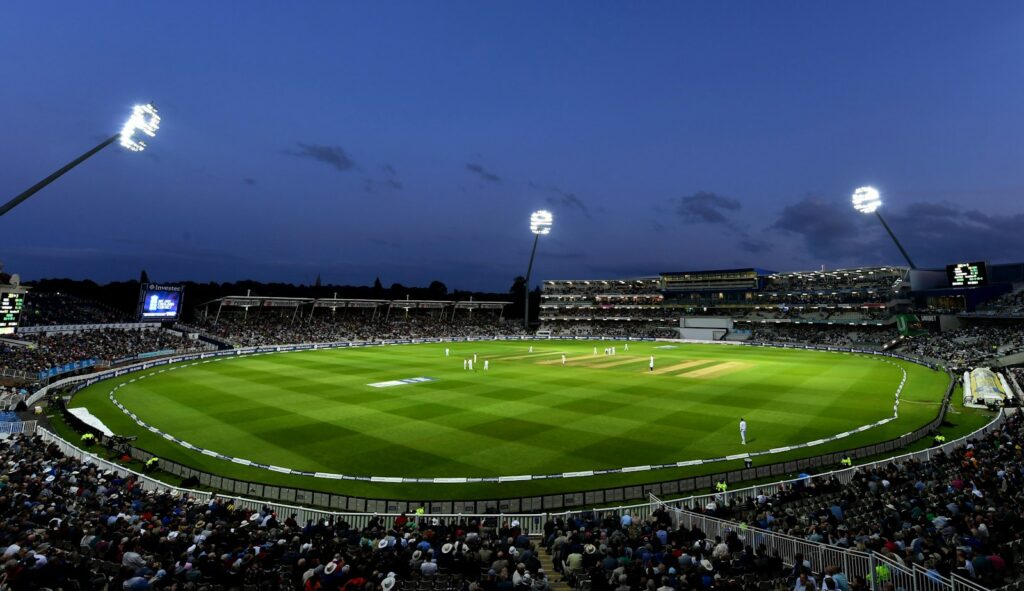
In terms of energy efficiency, lighting is one of the most visible sources of consumption: tennis and padel courts, driving ranges, car parks, pathways, changing rooms and the clubhouse itself. Replacing older technologies with LED lighting is usually the first and simplest step.
LED fittings consume considerably less electricity than traditional lamps for the same light output. They also have a much longer service life, which reduces replacement work and maintenance, and they emit less heat, which helps keep indoor spaces cooler in summer.
Another advantage is control. LED systems can be dimmed, zoned and connected to timers, presence sensors or booking systems, so that a court is only lit when it is actually in use. That kind of control often matters as much as the lamp itself.
2. Install solar panels
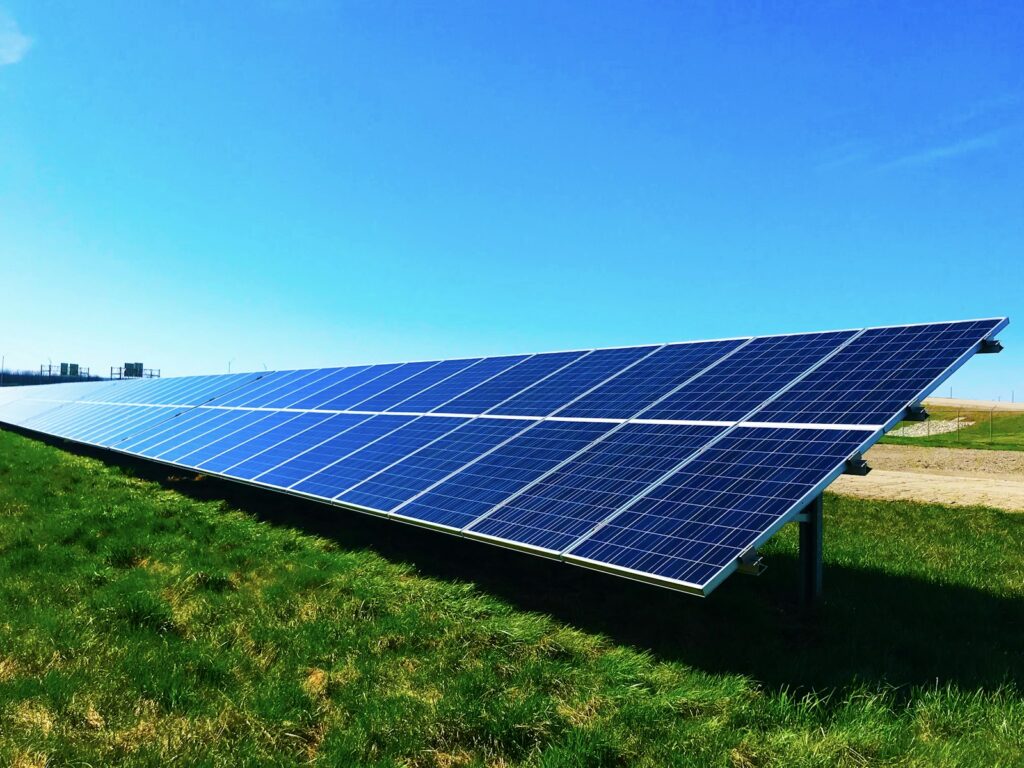
Golf courses and many sports clubs have something most businesses lack: space. Clubhouse roofs, maintenance buildings, car park canopies and other open areas can host photovoltaic panels without affecting play.
Solar self-consumption allows the club to generate part of the electricity it uses, precisely during the daylight hours when many facilities have high demand. It is a renewable source, it reduces dependence on the grid and, over the long term, it can generate substantial savings.
Before investing, it is worth studying the consumption profile carefully. A system sized to match the hours when the club actually uses energy delivers better returns than one designed only to maximise the number of panels. Local regulations, grid connection and available subsidies should also be reviewed; in Spain, the Ministry for the Ecological Transition (MITECO), the government department responsible for energy and environmental policy, publishes information on self-consumption and energy efficiency programmes.
3. Upgrade to efficient HVAC systems
Heating, ventilation and air conditioning (HVAC) are often the largest energy users inside buildings: clubhouses, gyms, indoor courts, restaurants and changing rooms. For energy efficiency, this is often where the biggest gains lie: old equipment, poorly adjusted settings and systems running when rooms are empty are common sources of waste.
Modern efficient systems help in several ways:
- Variable speed drives that adjust the output of fans and pumps to actual demand instead of running at full power.
- Smart controls with schedules, zoning and temperature sensors, so each area receives only the climate control it needs.
- Heat recovery and good ventilation, which improve indoor air quality while limiting energy losses.
Good maintenance is part of the picture too. Clean filters, regular servicing and correct settings protect energy efficiency by keeping equipment working at its designed performance.
4. Conserve water
On a golf course, water and energy are closely linked. Irrigation requires pumping, and pumping requires electricity, so every cubic metre saved also improves energy efficiency. The same applies to hot water in changing rooms, which has to be heated.
The main measures include efficient irrigation systems with well-designed sectors and nozzles, soil moisture sensors and weather data to irrigate only when and where it is needed, and regular checks to detect leaks. Inside the buildings, low-flow taps and showers help reduce waste without members noticing any loss of comfort.
Water management is also a core part of daily golf course maintenance, so these measures should be planned together with the greenkeeping team rather than in isolation.
How to get started: audit, prioritise and measure
Knowing the four recommendations is one thing; deciding where to begin is another. A structured approach avoids spending money on the most visible project rather than the most useful one.
Start with an energy audit. Any energy efficiency plan should begin here. An audit identifies where energy is consumed, at what times and with what equipment. It usually combines a review of bills and contracts, an inventory of installations and on-site measurements. The result is a clear map of consumption and a list of improvement opportunities.
Prioritise the measures. Not every action has the same cost, payback period or impact on members. Quick wins such as adjusting schedules, fixing leaks or changing settings can be done almost immediately. Larger investments, such as solar panels or HVAC replacement, deserve a proper business case and, where possible, a look at available grants.
Measure the results. Energy efficiency is only real if it can be verified. Separate meters by building or use, monthly tracking of consumption and comparisons with the same period of the previous year make it possible to see which measures are working. Sharing those results with the board and members also helps build support for the next steps.
Energy efficiency as a competitive advantage
Beyond savings, energy efficiency is increasingly a differentiating factor. Clubs that manage their resources well can offer better facilities at a more stable cost, communicate a credible sustainability commitment and strengthen their position with members, visitors and institutions.
It is not a one-off project but part of good management: reviewing consumption regularly, maintaining installations and taking decisions based on data. At NGM Golf & Sports Consulting we include energy audits as part of our golf course management service, helping clubs identify their opportunities, prioritise investments and track the results over time.
Frequently asked questions about energy efficiency
Where should a sports club start with energy efficiency? The most sensible starting point is an energy audit. It shows where and when energy is consumed, and turns a general intention into a prioritised list of specific actions with estimated costs and benefits.
Are solar panels suitable for every golf course? Most courses have suitable space, but the right system depends on the consumption profile, available surfaces, local regulations and grid connection. A technical study before investing is essential to size the installation correctly.
How can we check that the measures are actually working? By measuring. Installing meters by area or use and tracking consumption monthly against previous periods allows the club to verify the impact of each measure and adjust the plan where necessary.